
How Much Does It Cost to Renovate a Used Apartment
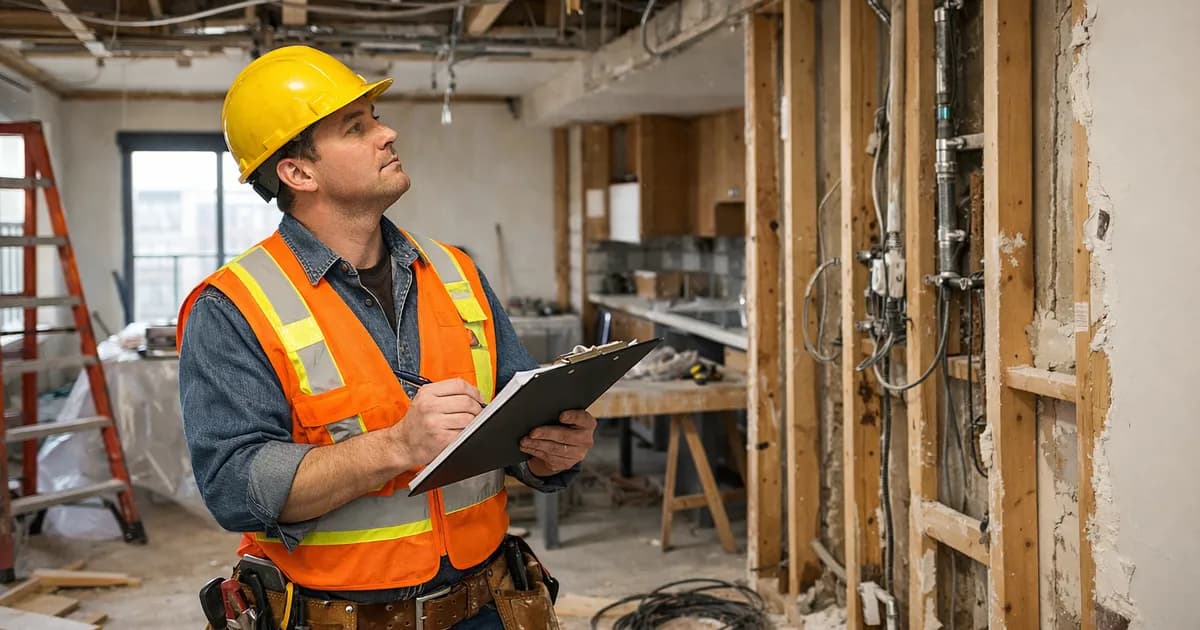
Renovating a used apartment will cost €600 to €900 per square meter in 2026 for a mid-range full renovation, without changing the layout. In an 80-square-meter apartment, that works out to about €48,000 to €72,000. If you're only updating the finishes, you can get down to €350 per m²; if you touch the structure or go for high-end materials, you can go above €1,500. The asking price never includes any of this, which is why an apartment that looks cheap can stop being a bargain once you add the work.
The real question isn't how much the apartment costs, but how much it will cost once it's finished and ready to move into. That's the real figure, and the one almost nobody calculates before making an offer. A fairly priced apartment that needs a full renovation can end up costing more than a pricier one that's already been renovated. Let's put some numbers on it.
How much does it cost to renovate an apartment per square meter?
Square meters are the fastest way to get a rough idea, even though every project has its own quirks. These are the usual ranges in 2026:
- Cosmetic refresh: between €350 and €500 per m². Paint, flooring, wall tiles, doors, a few bathroom and kitchen upgrades, without changing installations or the layout.
- Mid-range full renovation: between €600 and €900 per m². This is the most common range for a used apartment. It includes replacing the electrical system and plumbing, complete bathrooms and kitchen, interior carpentry and finishes.
- High-end renovation or structural changes: from €1,000 to €1,500 per m² or more. Premium materials, layout changes, knocking down walls.
To see the full picture: a mid-range full renovation in an 80-square-meter apartment sits between €48,000 and €72,000, and in a 100-square-meter one the average cost ranges from €50,000 to €120,000 depending on finishes and whether the layout changes.
Which items take up most of the budget?
Not everything costs the same. If you know where the money goes, you know where you can trim and where you shouldn't cut corners.
- Systems (electricity and plumbing). This is one of the biggest cost drivers, and one of the least visible once the work is done. Replacing the electrical system in an 80-square-meter apartment usually runs between €5,000 and €7,000; in a 60-square-meter one, between €4,000 and €5,500. Plumbing is separate. It's worth knowing whether this is needed before you buy, because it's easy to miss on a quick visit: we cover it in what to check before buying a used apartment.
- Kitchen. Cabinets, appliances, countertops and wall finishes make this one of the most expensive — and most variable — parts of the job, depending on what you choose.
- Bathrooms. Every full bathroom adds up fast, especially if there’s more than one, from plumbing to tilework, fixtures and the shower screen.
- Joinery and windows. Replacing windows with good insulation is expensive, but it cuts heating bills and kills condensation.
- Permits and paperwork. Depending on the city and the scope of the work, you may need a permit and sometimes a technical project. It isn't the biggest line item, but forgetting it throws off the budget.
What problems make a renovation much more expensive?
Some defects turn a normal renovation into an expensive job. Spotting them before you buy is what lets you negotiate — or walk away.
Damp
Structural damp won't be fixed by painting over it: you have to find the source, chip back the wall and treat it, and if it comes from the façade, the homeowners' association gets involved. Before you price the renovation, make sure you know what kind of damp you're dealing with, because the numbers change a lot. We explain how to tell the difference in how to spot damp problems in an apartment before buying.
Outdated electrical system
If the panel still has porcelain fuses, there’s no ground-fault circuit interrupter, or the installation dates from before 2002, you'll have to redo the whole thing. It isn't optional for safety, and many insurers won't cover a fire caused by an outdated, uncertified system.
Layout changes and structure
Knocking down a partition wall is cheap; touching a load-bearing wall requires plans, calculations and sometimes reinforcement, which pushes the cost up fast. If you like the apartment but want to change the layout, ask first which walls are load-bearing.
Old materials and asbestos
In older buildings, you may run into asbestos (old fiber cement) in downpipes, tanks or roofs, or lead plumbing. Asbestos removal isn't something just anyone can do: by law, it has to be handled by an authorized company under a strict protocol, and that makes the item more expensive. It's not common in a regular apartment, but if the building dates from the 1960s or 1970s, it's worth asking before you request quotes.
Why should you add renovation costs to the purchase price before making an offer?
Because it's the only way to compare like with like. Imagine two 80-square-meter apartments in the same area: one renovated for €200,000 and one unrenovated for €150,000. The second one looks €50,000 cheaper, but if it needs a €60,000 full renovation, it actually costs more — and you still have to deal with the hassle and months of work.
The calculation worth doing before you make an offer is simple: apartment price, plus purchase taxes and fees (set aside 10% to 12% of the price), plus a realistic renovation budget. That total is your real cost. If it ends up higher than a comparable renovated apartment, then the bargain wasn't really a bargain.
How long does it take to renovate an apartment, and why does that affect the cost?
Time is money, and almost nobody includes it in the calculation. A cosmetic refresh can be finished in three or four weeks, but a full renovation of an 80-square-meter apartment usually takes two to three months, and even longer if you need a major permit, layout changes or structural reinforcement.
Why does that matter for the real cost? Because during those months you're still paying. If you're renting or already have the mortgage on the new apartment, every month of work is a month of double expenses that rarely shows up in the first calculations. And delays are the rule, not the exception: materials that don't arrive on time, a surprise when a wall is opened up, a permit that takes longer than expected.
To protect yourself, ask for a written timeline in the quote, with a start and finish date, and if you can, negotiate a late-completion penalty. Be wary of anyone who promises a full renovation in three weeks: either they won't deliver, or they'll cut corners somewhere and you'll pay for it later.
How do you get a reliable renovation quote?
Ask two or three companies for a detailed, line-by-line estimate, not a rough lump sum. A serious quote breaks down systems, bathrooms, kitchen, joinery, finishes and permits, and states the quality level. Be suspicious of anyone who gives you a round number over the phone without seeing the apartment: either they're underquoting and extras will appear later, or they're covering themselves by inflating the price.
Always leave a 10% to 15% buffer above the estimate for surprises, because once walls are opened and floors come up, something almost always turns up: a lead pipe, a damaged beam, an installation that's in worse shape than it looked.
Getting this right before you buy is what separates a smart purchase from a headache, and it's hard to do if you don't know what the apartment really needs. AskPancho helps you inspect the apartment room by room, identify what needs work, and put real numbers on the table before you sign. Learn what AskPancho is and make sure a bargain doesn't end up costing you more than it should.
Methodology
Pancho, our AI assistant, walks you through buying a second-hand home in three layers. First the listing: he helps you pin down what you are really after and check whether what you find genuinely fits your needs. Then the area: what the neighbourhood is actually like, covering safety, schools, transport, amenities and the little things that shape day-to-day life. And finally the guided visit: Pancho takes you point by point to inspect the property in depth, from damp and structure to wiring and plumbing, window frames, kitchen, bathrooms, climate control and paperwork. We work from real inspection criteria, which we review and keep up to date. This content is for guidance only: it helps you know what to look at and what to ask before you sign, but it does not replace an in-person technical inspection, a valuation or the advice of a chartered professional.
Especialistas en compra de vivienda de segunda mano y análisis con IA
At AskPancho we help you buy a second-hand home with a clear head. With Pancho, our AI assistant, we help you pin down what you are looking for and see whether listings fit your needs, understand what the area is really like (safety, schools, transport and amenities), and inspect the property in depth on a guided visit, so you spot what really matters before you sign.