
Low-Mileage Used Cars: Bargain or Trap?
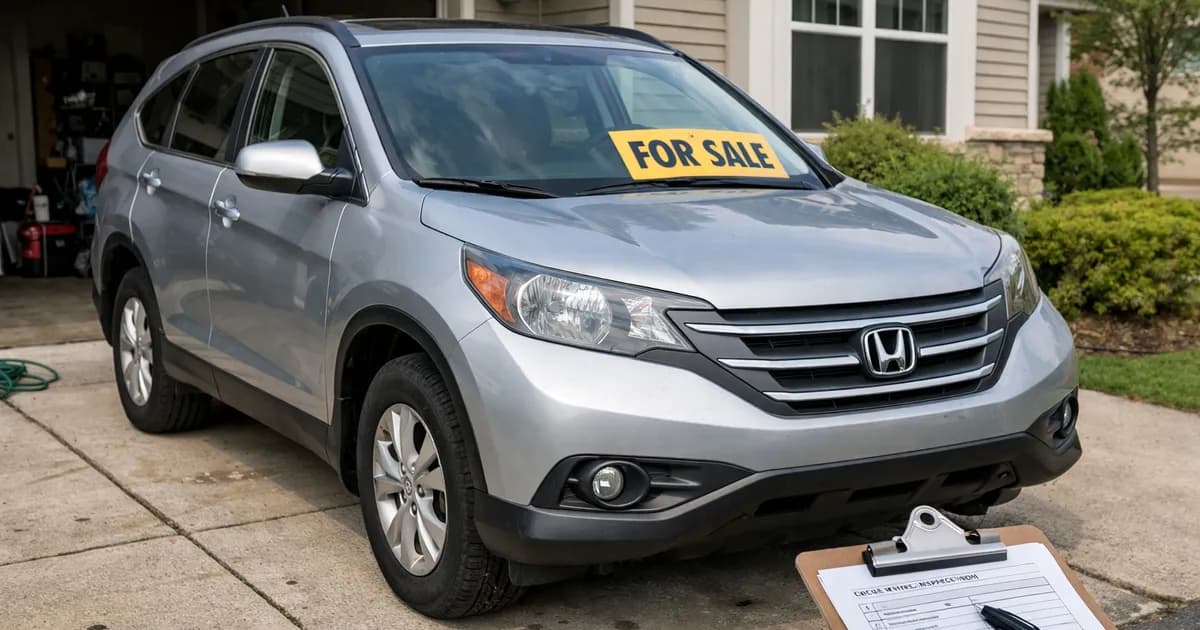
A low-mileage used car sounds like a great deal. A lightly used engine, less wear and tear, more life ahead. But a car that has sat unused for a long time can have its own problems, and some of them can end up costing a lot. It is not all about the odometer. Time degrades components that no one can see at first glance, and if you do not take them into account, what looks like a bargain can turn into a money pit.
What happens to a car that has been sitting unused for a long time?
Some parts wear out through use, but others degrade simply with the passage of time. The rubber in hoses, gasket seals, engine seals, brake lines, the timing belt... all of that dries out and cracks over the years, no matter how few miles the car has covered.
The car's fluids also degrade over time, even if the vehicle does not move:
- Engine oil: if it has not been changed for years, it loses its lubricating properties and can create deposits that clog internal passages. Old oil does not protect the engine, even if the car has low mileage.
- Brake fluid: it absorbs moisture from the air over time. When it contains too much water, its boiling point drops and the brakes can fail during hard braking.
- Coolant: it loses its anti-corrosion properties and can cause internal corrosion in the engine and radiator.
- Gasoline or diesel: old fuel, after several months in the tank, can break down, lose quality, and make starting difficult or cause fuel injection problems.
A car that has been running on the same fluids for years needs a full service, even if it shows 20,000 miles on the odometer. Factoring that cost in before buying is what separates a real bargain from an apparent one.
Can the battery and electrical system cause problems in a parked car?
Yes, and it is one of the first warning signs. Car batteries die if they go too long without a charge. A car that has been sitting for months or years will probably need a new battery, which in itself is not expensive (between $60 and $150).
But the problem can go further. If the battery has been fully discharged several times, it may have affected the car's ECU or erased settings. In modern cars with a lot of electronics, a full discharge can leave fault codes stored in the ECU that later trigger warning lights on the dashboard. It is not always serious, but it does deserve a diagnostic scan to find out what is going on.
If the car has been parked for a long time and warning lights appear when you start it but disappear on their own after a few minutes, it could be something as simple as sensors needing the car to be driven so they can recalibrate. But if the warning lights stay on, you need to read the fault codes before buying.
Why can the brakes on a low-mileage used car be dangerous?
Brake rotors on a parked car rust. If it has not moved for a long time, the brake pads may have stuck to the rotors. And even if they come loose once the car is driven, the rust may have pitted the rotors to the point where replacement is needed.
In addition, brake hoses, the flexible lines that carry fluid to the calipers, dry out over time and can crack from the inside without showing anything from the outside. A cracked hose can burst under pressure during braking, which is extremely dangerous.
If you are test-driving a car that has been sitting, do a gradual stop in a safe area and pay attention to whether the pedal feels spongy, whether the car pulls to one side when braking, or whether you hear metallic noises. Any of those signs points to a braking system problem.
How do I know if the tires on a low-mileage used car are safe?
Tires have an expiration date, even if the tread still looks perfect. After 5 or 6 years, the rubber loses flexibility and grip. An 8- or 10-year-old tire may look new at first glance but be dangerous in wet conditions or during an emergency stop.
To check a tire's age, look at the DOT code on the sidewall. The last four digits tell you the week and year of manufacture. For example, "2419" means week 24 of 2019. If the tires are more than 6 years old, consider replacing them, even if they look fine visually.
Also check whether the tires are deformed or have cracks in the sidewalls. A car that has been sitting for a long time on the same tires may develop flat spots that cause vibrations while driving and cannot be fixed by balancing.
Why are some cars for sale with such low mileage?
This is the key question, and the answer is not always the one the seller gives you. A low-mileage used car may belong to:
- Someone who barely used it: a second home, a retired owner who only drove to town, a family’s second car. It is the most common and the most innocent reason.
- A car that was left unused: in a garage because it had a problem the owner did not want to fix. They sell it "as is" hoping the buyer will not notice.
- A car with an altered odometer: though that is a different issue, do not rule it out. Always ask for the service history and compare the mileage from each inspection.
- A company car or lease return that came back early: this can be a good option if maintenance was strict. But verify it with invoices.
Try to understand the car's history before getting dazzled by the low number. Ask the seller specific questions: How long has it been sitting? Why are they selling it? Do they have maintenance records? Vague answers are a red flag.
Is it worth buying a low-mileage used car, or should you pass on it?
Do not rule it out, but do the math. Add the cost of a proper full service to the car's price:
- Changing all fluids (oil, brake fluid, coolant): between $100 and $250.
- Filters (oil, air, cabin): between $30 and $80.
- Tires if they are more than 5 years old: between $200 and $600.
- Timing belt if there is no recent invoice: between $300 and $800.
- Battery: between $60 and $150.
- Brake inspection (pads, rotors, hoses): variable, but it can reach $300.
All of that can easily add up to between $500 and $1,500, depending on what is needed. If the total price still makes sense compared with a similar car that has more miles but up-to-date maintenance, it can be a good buy. But if you do not do that calculation, the cheap car can end up costing you far more.
With AskPancho you can inspect the car step by step while it is right in front of you. Pancho knows what to look for in cars that have been sitting for a while and helps you spot what the eye cannot see at first glance. Cheap should not end up expensive.