
Buying a Used Motorcycle: What People Forget in the Rush
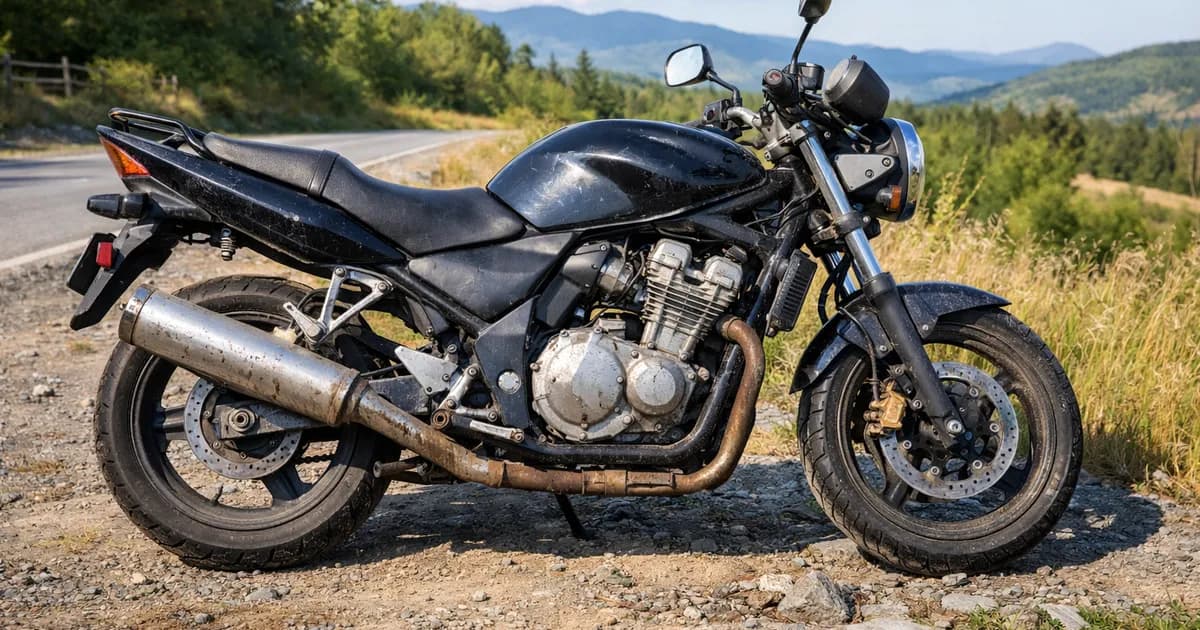
Buying a used motorcycle is one of the best decisions you can make. And one of the worst if you let excitement take over and skip the basic steps. Most bad purchases are not caused by hidden faults that are impossible to spot, but by not noticing what was right in front of you.
What should I research about the model before leaving home?
Every motorcycle has its weak points. Before you go to see it, check forums and specialist websites to find out the known issues with that exact model. Ten minutes of reading can save you a few hundred dollars in regrets. Also find out whether replacement parts are available and how much they cost, especially if it is a discontinued or imported model.
Ask for photos of everything. The fairing, the underside, the engine, the foot pegs, the levers, and the instrument cluster. If the seller makes excuses for not sending photos, it is probably not worth making the trip. The photos they do not want to send are usually the most revealing.
Ask for the license plate and check the history. In the DMV records or through a vehicle history report, you can check whether the state vehicle inspection is current, whether there are any liens, and whether the details match what you have been told. Always do this before traveling to see the bike. If the VIN does not match what the seller says, there is a problem.
Also check whether there is any accident history through vehicle history report services. Not every crash is recorded in official paperwork, but the ones that went through an insurance claim often are. An accident report can save a lot of time and reveal things you would not notice at first glance.
Why is it important that the state vehicle inspection is current?
In Spain, you can buy a motorcycle without a current ITV, but when you transfer ownership you will receive a restriction that prevents you from riding it until it passes. If the seller does not have the inspection up to date, that is a reason to negotiate the price down and also a sign that there may be technical issues they do not want to deal with.
When a motorcycle fails the state vehicle inspection, the inspector records it. If you can see the report from the last inspection, it will tell you exactly what failed. That information is valuable: it shows you what needs to be fixed and gives you concrete arguments for negotiating the price.
If the motorcycle has gone several years without passing inspection, the list of defects can be long. Worn brakes, lights that do not meet regulations, excessive emissions, or expired tires are common faults with real repair costs. Before accepting any price, estimate that cost or ask a trusted shop for a quote.
Why should I inspect a used motorcycle with a cold engine?
A warm engine starts easily and can hide problems. Ask the seller not to start the motorcycle before you arrive. A cold engine will tell you the truth: how it starts, whether it pops, whether it smokes, and whether it makes strange noises. If the motorcycle is already warm when you get there, be suspicious.
Blue smoke on a cold start indicates oil consumption. Persistent white smoke may mean coolant is entering the combustion chamber. An uneven idle that improves as the engine warms up is a sign of a dirty carburetor or partially clogged injectors. All of those problems are visible during a cold start and then disappear or are masked once the engine is hot.
Also pay attention to how long it takes to start and whether it needs a lot of choke or throttle. A healthy engine should start cold normally within two or three tries at most. If it needs ten attempts, full choke, and throttle at the same time just to come to life, something is not right.
How to tell if a motorcycle has been dropped and what the engine condition says
Signs a used motorcycle has been on track. Look at the levers, handlebar ends, foot pegs, indicators, and fairing. Scratches or marks in these areas are clear signs that the motorcycle has been dropped. It does not have to be serious, but the seller should be upfront about it.
The engine. Look for oil leaks around the engine block. An engine that is too clean can be suspicious, because it may have been washed to hide a leak. A bit of dust and general dirt is normal and is even a good sign.
The chain, sprocket, and rear sprocket. If the chain is very loose, rusty, or has stiff links, it needs replacing. Also check the front sprocket and rear sprocket: if the teeth are sharp like shark fins instead of rounded, the drivetrain set is worn out. Replacing it can cost between $150 and $400.
The tires. Check the tread and look for little rubber balls on the sides, which are a sign of aggressive cornering at high temperatures. Also check the manufacturing date in the DOT code. A tire that is more than five or six years old will have hardened rubber even if the tread looks new, and that directly affects safety.
Which used motorcycles have the fewest problems when test riding and checking paperwork?
If the paperwork and insurance allow it, test ride the motorcycle. Check that all gears engage properly, that there are no surges, that the brakes work with good feel and no noise, and that the steering turns smoothly and evenly to both sides. If the handlebars pull to one side, the triple tree may be bent from a crash.
Verify that the license plate, VIN, and the information on the title document all match. Ask for the registration document and check that the seller’s name matches the owner’s name. And always sign a bill of sale, even in a private transaction. A contract with the buyer’s and seller’s details, vehicle information, price, and date will protect you if any issue comes up later.
If the motorcycle has non-original accessories such as an aftermarket exhaust, LED turn signals, or different mirrors, ask for proof that they are road-legal. Without that documentation, any modified part could cause a failure at inspection. Do not find out after you buy it.
With AskPancho, you can review the motorcycle step by step while it is right in front of you. Pancho guides you with tailored questions for the exact model you are looking at and helps you spot what an untrained eye might miss. Cheap should not end up expensive.